The Structure of a Beard Fade; Purpose, Transition Zones & Core Variations
A clean, well-balanced beard fade with haircut can change how your face looks, how sharp your jaw appears, and even how confident you feel when you walk out of the barbershop. Many clients don’t realise that a fade isn’t just a style; it’s a controlled blend shaped by your bone structure. Real barbers call it “the art of softening the heavy spots without killing the beard’s character.”
Most men walk in asking for a low taper fade or a simple low fade, but the secret lies in understanding your natural growth patterns. Skilled barbers use subtle techniques to build transitions that stay clean for days, even on dense beards or textured hair.
In this article, you’ll learn how fade zones work, how to blend your beard into your haircut without harsh lines, and how certain cuts; like a modern spike fade, texture brush-up fade, taper fade, or even classic shapes like the Ivy League hairstyle, naturally support a smoother blend. You’ll also get real shop-floor tips barbers use to avoid uneven shadows and maintain balance across the jawline.
Choosing the Right Beard Fade + Haircut Combination Through Logic, Not Trends
A perfect beard fade with haircut isn’t about copying trends, it’s about matching your natural features with structure and proportion. Every face has unique lines, hair density, and jaw definition, and understanding these helps a barber create a blend that feels intentional. Images can be added here to show how a low taper fade or a modern spike fade can balance top volume and beard weight perfectly.
How to Evaluate Your Natural Features Before Selecting Any Combo
Look closely at your bone structure and facial angles.
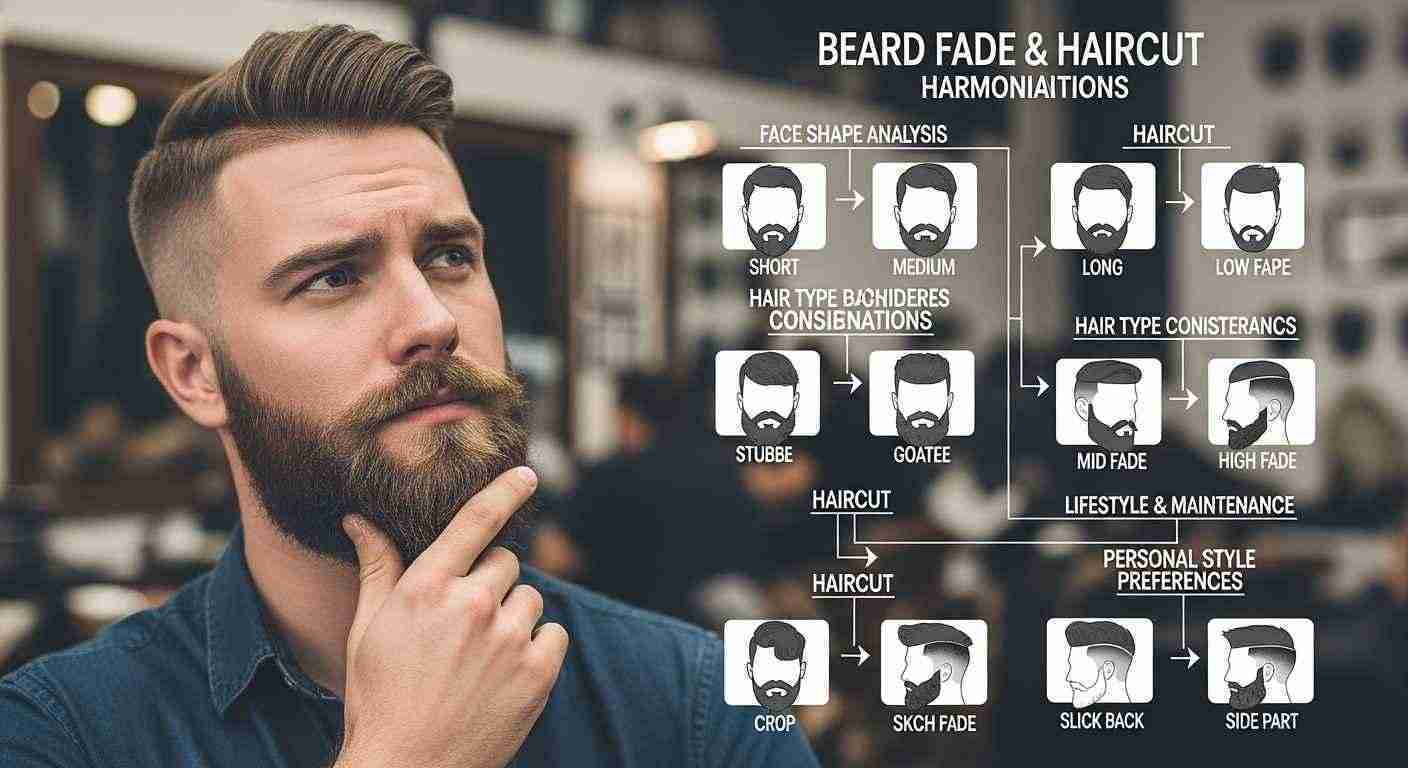
Real barbers often advise evaluating cheek fullness, jawline, and chin width before choosing any fade. A beard fade with haircut works best when it follows natural growth patterns. Pairing it with structured cuts like an Ivy League hairstyle or a texture brush-up fade ensures the transition appears seamless.
Mapping Haircut Length to Beard Density
Length must harmonize with beard thickness.
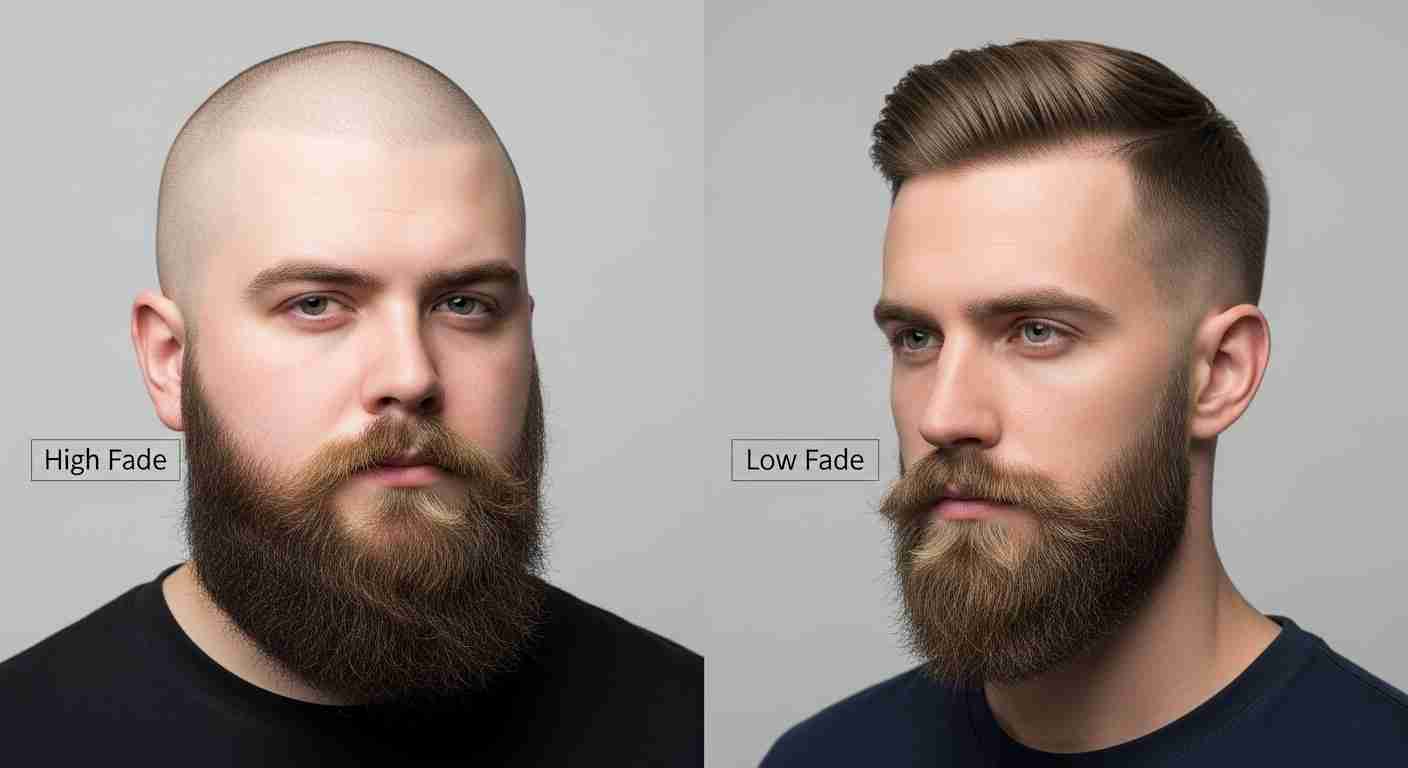
If the beard is full, extremely short top hair can create imbalance. Conversely, moderate top lengths, like a low fade or a soft taper fade, maintain proportion. Barbers often say, “Your fade should support the beard, not fight it.” This is why understanding density is key for a clean beard fade with haircut.

Aligning Haircut Fade Height With Beard Fade Entry Point
The connection between hair and beard defines symmetry.
A beard fade with haircut looks off if the head fade starts too high or too low relative to the beard entry point. Proper alignment ensures the eye naturally follows the fade from temple to jawline. This works with all fades, including low taper fade and modern spike fade, creating a balanced, professional appearance.
Hair Texture’s Impact on Blending
Texture determines how smoothly hair blends into the beard.
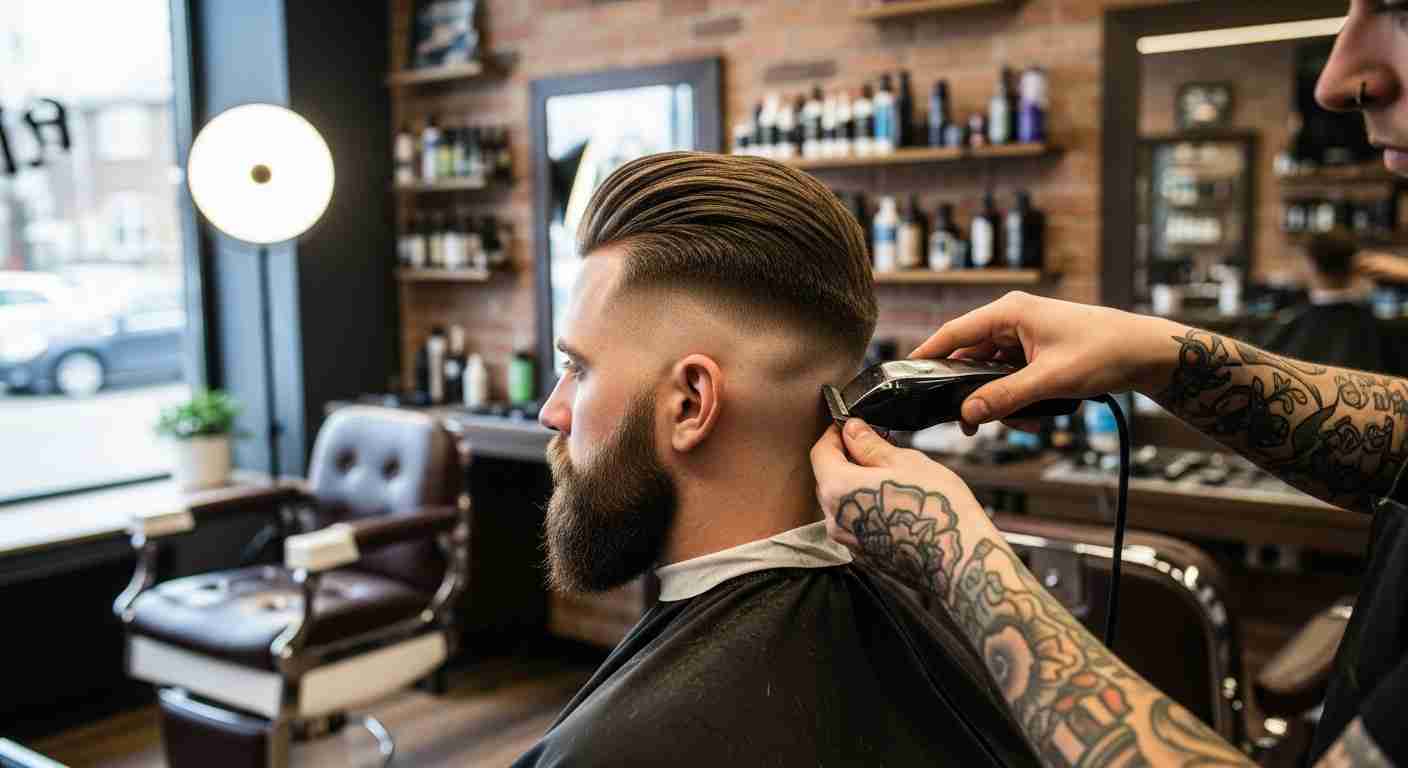
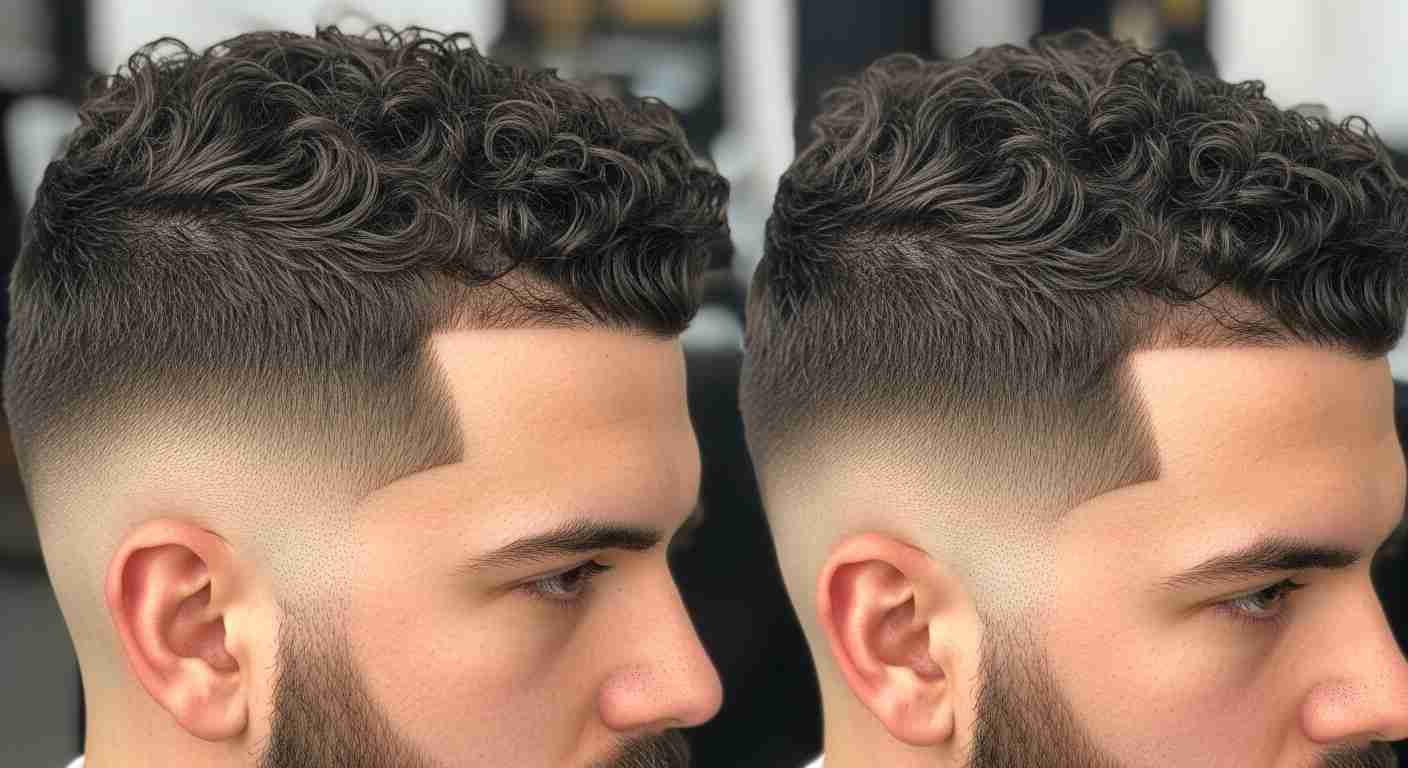
Straight hair blends easily into a beard fade with haircut, while curly or coarse hair requires slower guard transitions and careful clipping. Skilled barbers adjust their technique depending on texture, often combining clippers, trimmers, and scissors for a flawless finish.
Haircut Structures That Pair Cleanly With Beard Fades
Certain haircuts consistently complement beard blends.
Short uniform cuts, medium tops, textured tops, and even-length wave cuts maintain balance with any beard fade with haircut. Pairing the right haircut with a fade ensures symmetry, clean lines, and long-lasting style. Visual guides or images here can help readers see the difference.

Tools, Guard System & Technical Method for a Seamless Fade Into the Beard
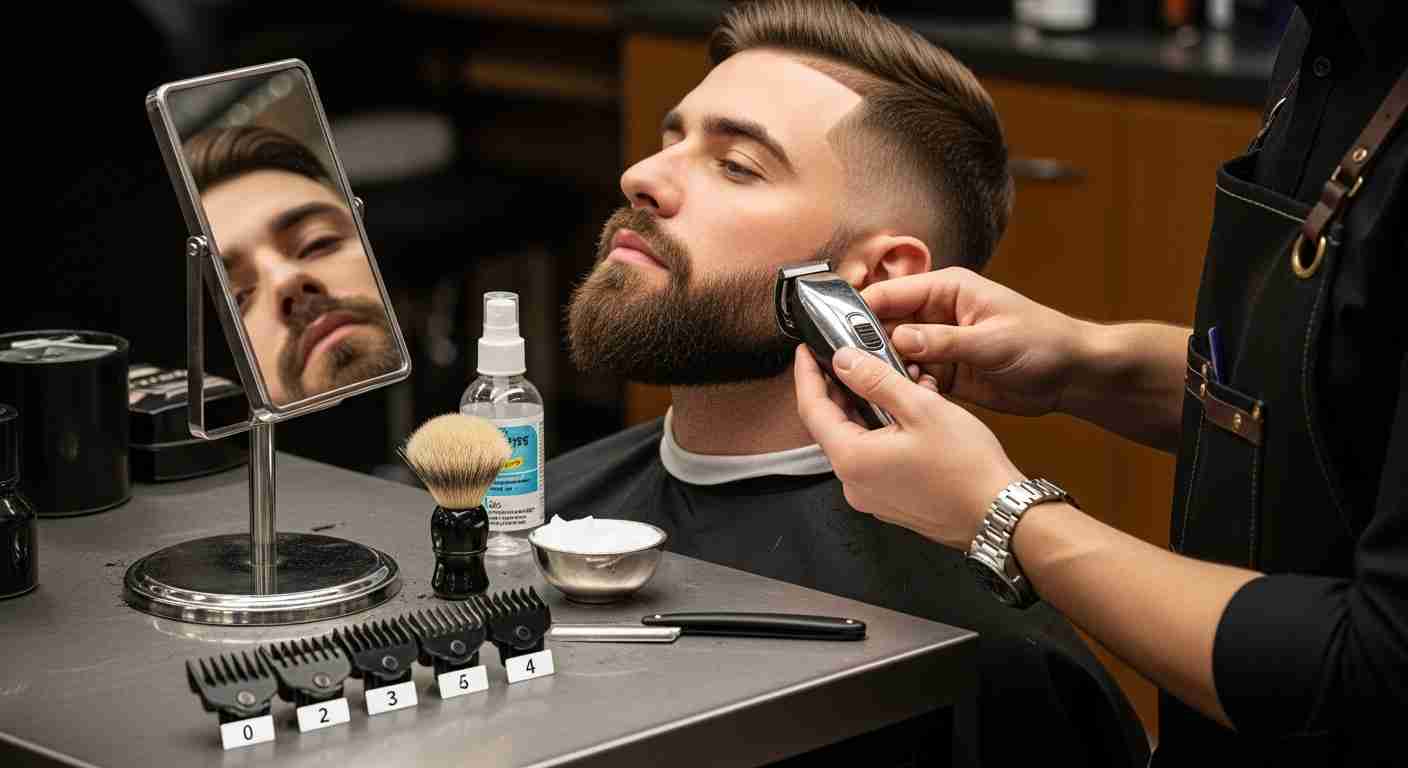
A flawless beard fade with haircut relies on more than skill, it depends on the right tools and knowing how to use them. Real barbers say that even the sharpest clippers are useless without a thoughtful approach. Using images here can help readers visualize guard numbers, blending zones, and proper fade flow from hair to beard.
Understanding Guard Numbers and Their Impact
Guard numbers control fade precision.
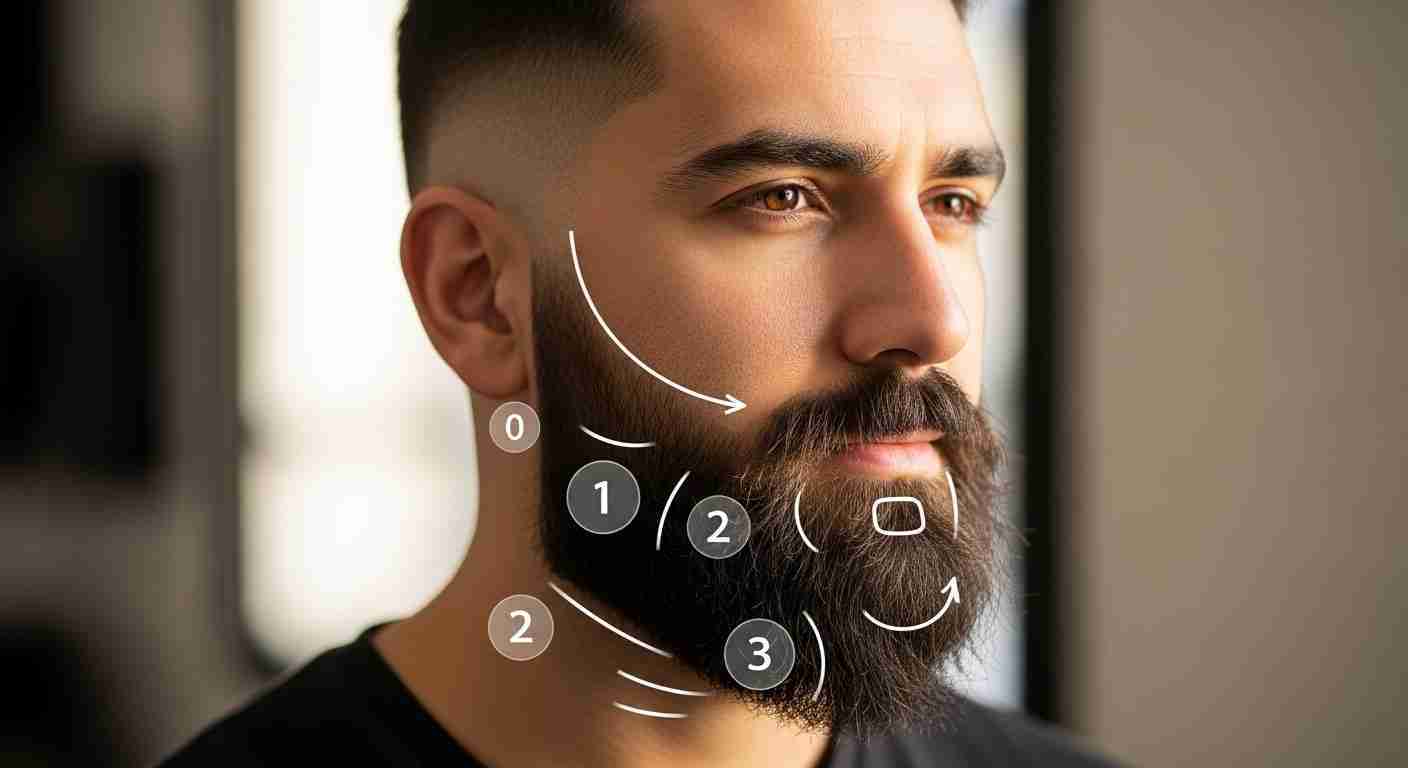
A beard fade with haircut works best when lower guard numbers create tight blending and higher numbers provide gradual transitions. Professionals map out their guard sequence before starting, ensuring smooth gradients and preventing harsh lines, especially on tricky areas like temples and neckline.
Mapping Fade Zones and Blending Paths
Plan the fade before cutting.
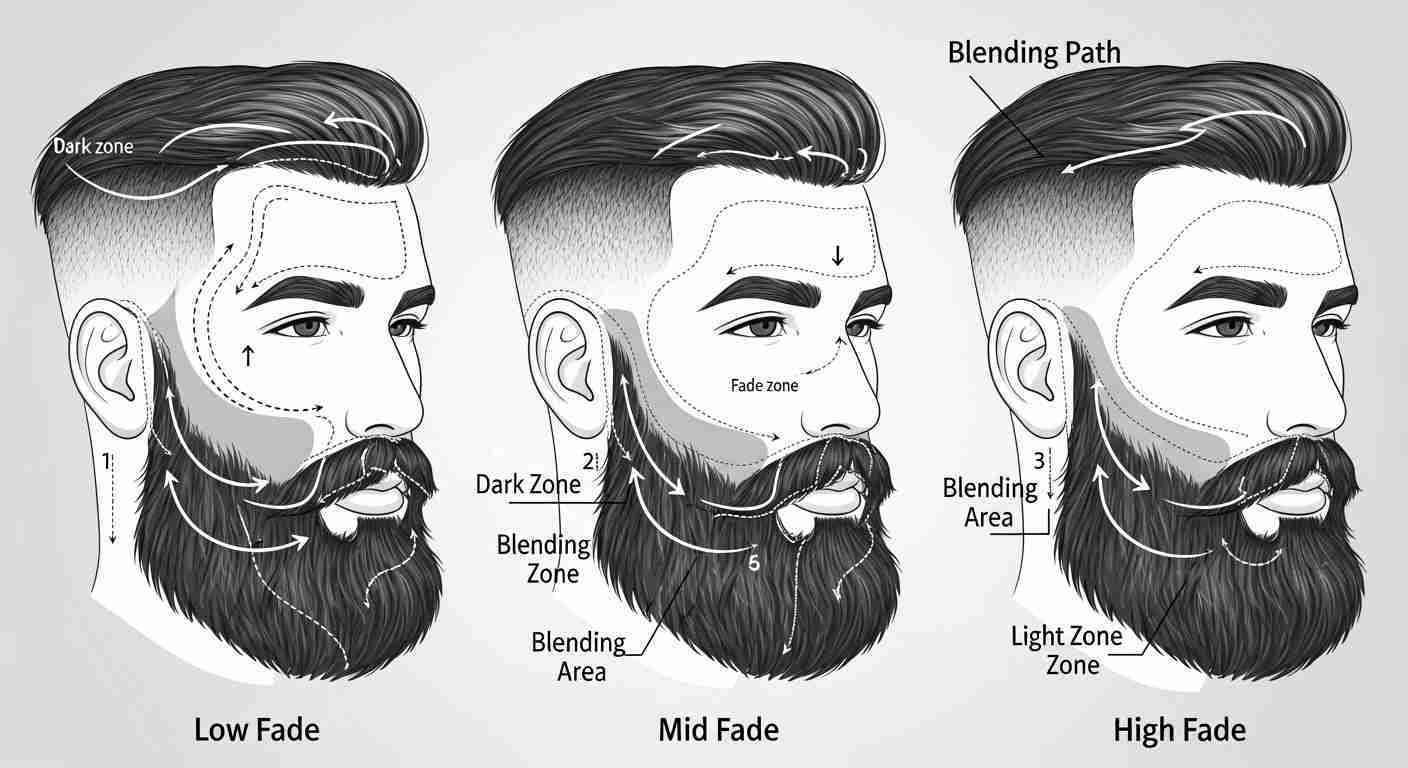
Barbers use a “fade map” with zones, dots, and lengths to guide every step of a beard fade with haircut. From fade foundation to midpoint blending to C-shaping into the beard, this method keeps transitions natural. Adding images here can illustrate these zones for clarity.
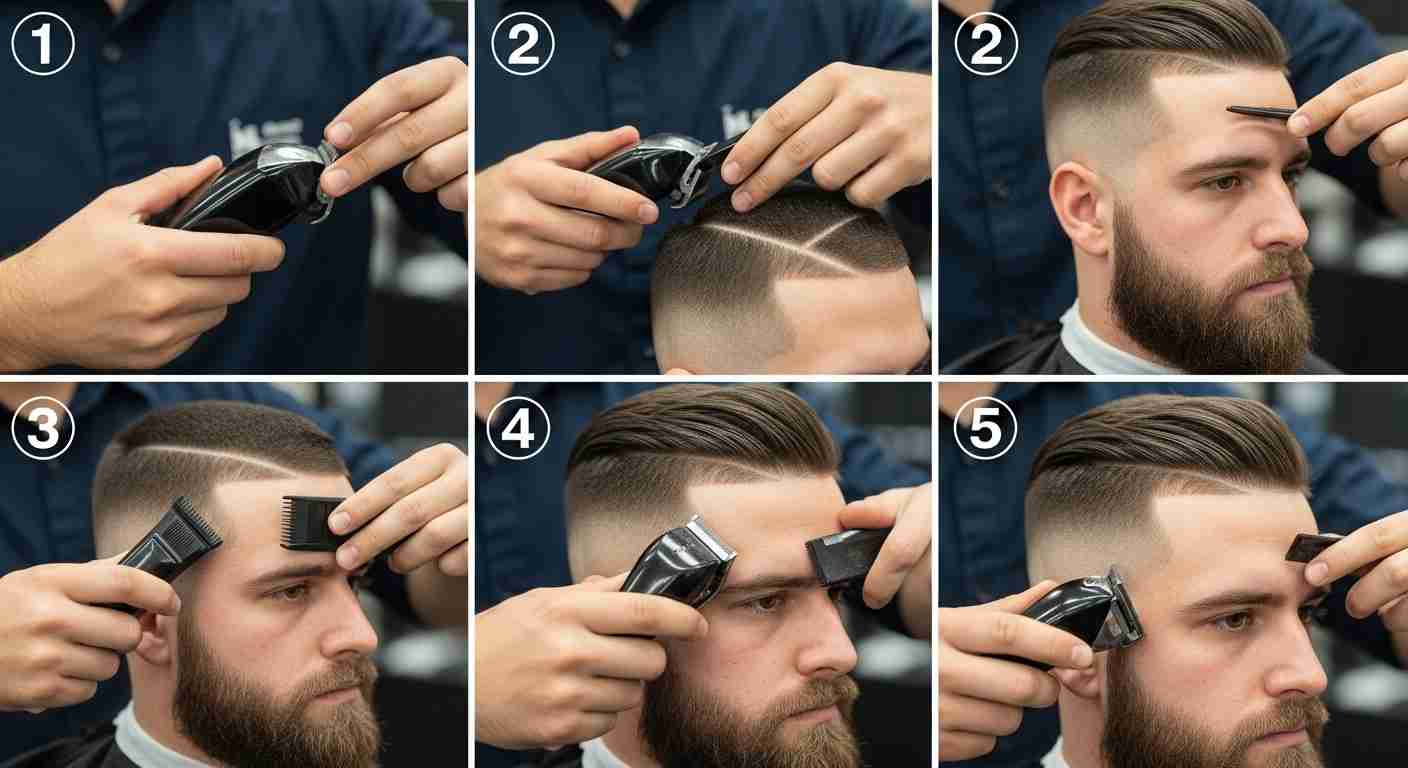
Step-by-Step Technique for Seamless Blending
Precision ensures perfection.
The ideal beard fade with haircut is achieved using clipper-over-comb, trimmer detailing, and scissor refinement. Whether it’s a low taper fade, modern spike fade, or texture brush-up fade, these steps create a consistent, professional blend. Barbers emphasize patience and following hair growth direction to avoid patchiness.
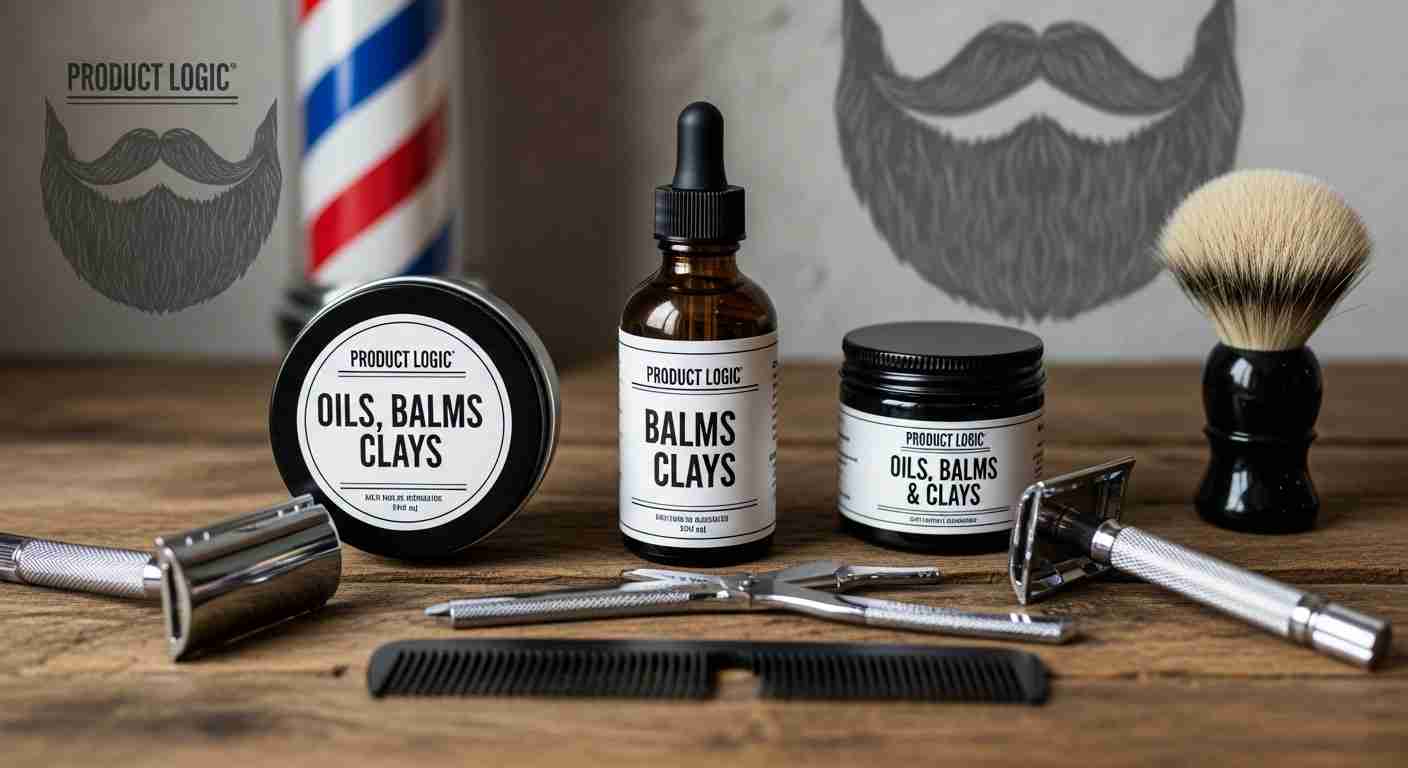
Product Logic: Oils, Balms, and Clays
Products enhance, not replace skill.
Beard oil smooths transitions, balm adds density, and clay maintains edge control. Using these at the right step ensures a beard fade with haircut stays clean, sharp, and manageable. Images can show placement and amount for optimal results.
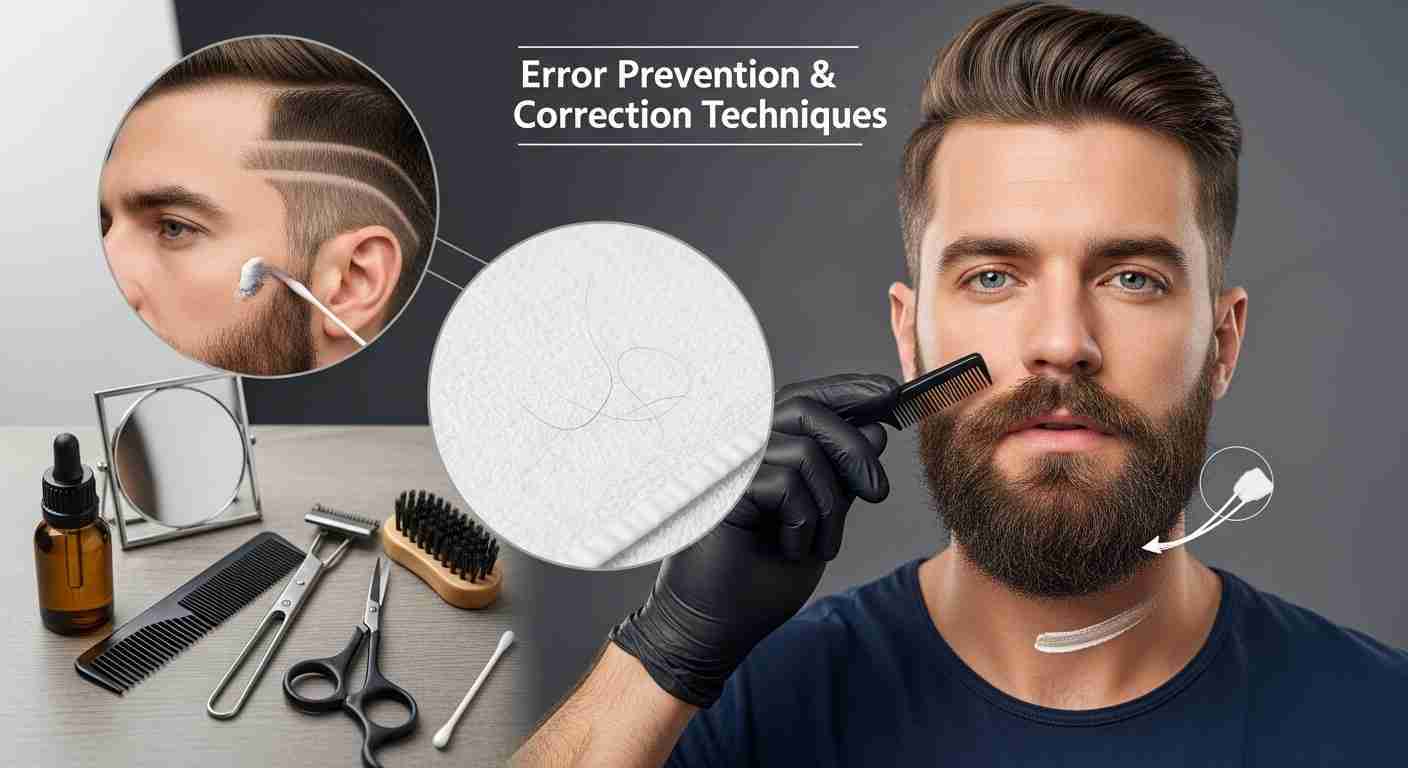
Long-Term Maintenance, Error Prevention & Correction Techniques
Keeping a beard fade with haircut sharp isn’t just about the first cut—it’s about maintaining structure, avoiding mistakes, and correcting small errors before they ruin the look. Skilled barbers emphasize that consistent care extends the life of a fade and keeps the jawline clean and defined. Images can help show how to maintain fades and transition zones over time.
Fade Upkeep Schedule Based on Growth Rate
Timing matters more than frequency.
Hair grows at different speeds, so maintaining a beard fade with haircut requires observing your growth pattern. Low taper fade or modern spike fade designs may need trims every 2–3 weeks, while texture brush-up fade can last slightly longer. Regular visits or home touch-ups keep the silhouette clean.

Maintaining the Transition Zone Without Raising the Fade Too High
Subtle control prevents imbalance.
Over-trimming can ruin a beard fade with haircut by creating harsh lines or gaps. Professionals suggest blending gradually and respecting the natural beard entry point. Images can illustrate proper clipping angles and fading zones to guide readers visually.
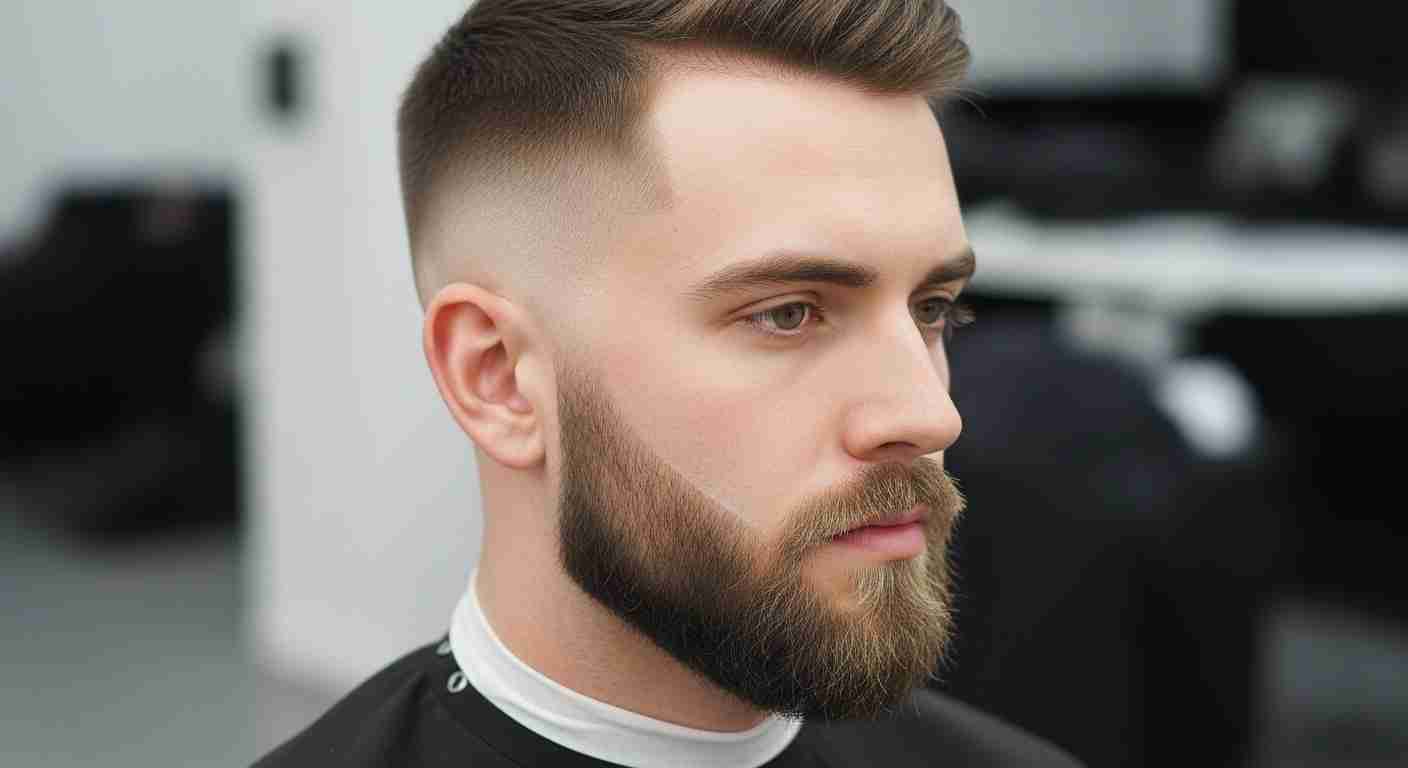
Correcting Common Fade Issues
Quick fixes save the style.
Patchy transitions, uneven gradients, or mismatched fade heights are common. Using small clipper adjustments, scissor refinement, or beard balm placement helps restore a beard fade with haircut without restarting the entire cut. Barbers often quote: “Fix little mistakes before they grow into problems.”
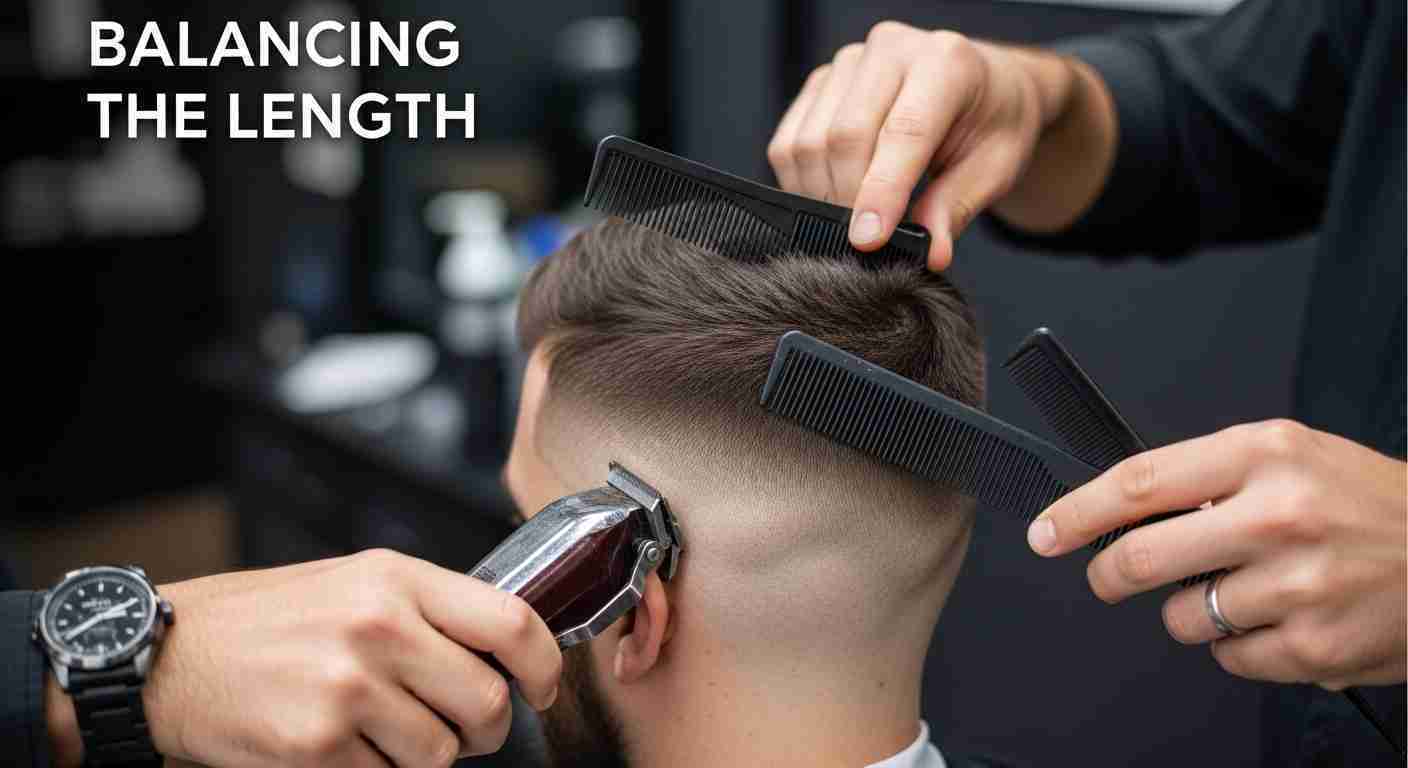
Neckline and Cheek-Line Management
Lines define your beard.
Proper care of neckline and cheek-line keeps the fade consistent and balanced. Following natural growth patterns ensures your beard fade with haircut always appears clean and professional. Images can show how to shape these areas correctly at home or in the barbershop.

Maintaining Hair and Beard Density Alignment
Balance is everything.
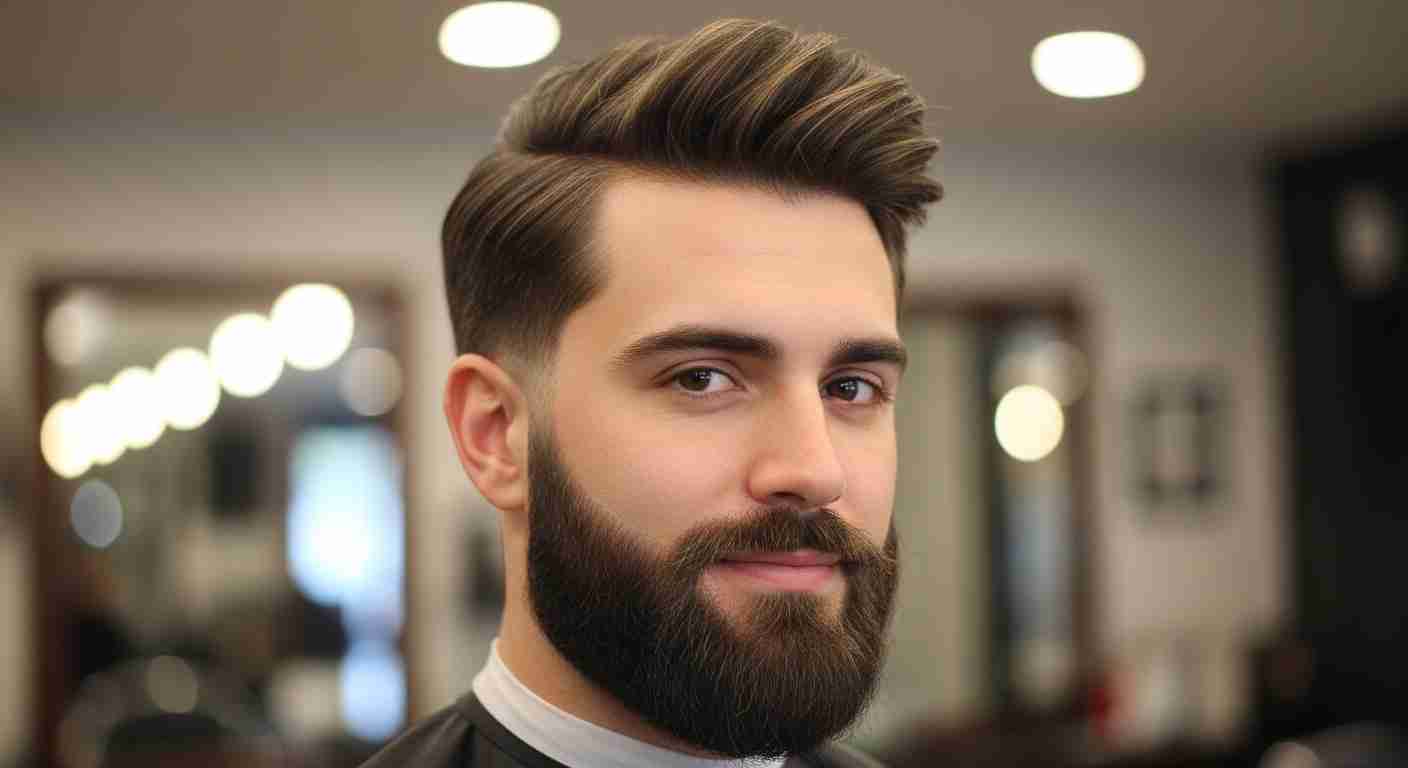
Top hair and beard density must remain proportional. For example, pairing a low fade with thick beard or a soft taper fade with medium top prevents a heavy or uneven appearance. Images can guide readers on maintaining symmetry between haircut and beard.
FAQs:
What is a beard fade with haircut?
A beard fade with haircut is a style where the beard gradually blends into the haircut using precise fading techniques. It creates a seamless transition from hair to facial hair, enhancing jawline definition and overall balance.
How often should I maintain a beard fade with haircut?
Maintenance depends on hair growth, but most men need a trim every 2 to 3 weeks. Low taper fades and modern spike fades may require slightly more frequent attention to keep the fade clean and natural.
Can all hair textures work with a beard fade?
Yes. Straight, wavy, curly, and coarse hair can all be styled into a beard fade with haircut, but blending techniques and guard adjustments may vary depending on texture and density.
Which haircuts pair best with a beard fade?
Cuts like Ivy League hairstyle, texture brush-up fade, low fade, or modern spike fade complement a beard fade. The key is matching top length and volume to beard density for a balanced look.
How do I prevent harsh lines in a beard fade?
Using proper guards, mapping zones, and following hair growth direction ensures smooth blending. Barbers also recommend gradual trimming and minor touch-ups to maintain a clean transition.
Can I maintain a beard fade at home?
Yes, with proper tools like clippers, guards, trimmers, and guidance. Using beard oils, balms, or clays helps maintain texture and density, especially in low taper fades or texture brush-up fades.
What’s the difference between a taper fade and a beard fade with haircut?
A taper fade focuses on hair length fading at the sides and back, while a beard fade with haircut blends the beard into the haircut seamlessly, creating continuity between facial hair and head hair.
How do I fix patchy or uneven beard fades?
Small corrections with clippers, scissors, or trimmers can fix uneven gradients. Applying balm or oil helps smooth texture, while barbers often realign the fade without starting over entirely.
Are beard fades suitable for all face shapes?
Yes, but adjustments are needed. Low taper fades suit round faces, medium fades work on square faces, and high fades enhance elongated or oval faces. The fade entry point should match the jawline naturally.
Which products help enhance a beard fade with haircut?
Beard oil softens the hair for smooth blending, balm adds density, and clay gives edge control. Choosing the right product ensures your beard fade with haircut stays sharp and professional between barber visits.
Conclusion:
A beard fade with haircut is more than a simple grooming choice—it’s about creating balance, structure, and a clean silhouette that enhances your facial features. By evaluating your natural hair texture, beard density, and fade alignment, you can achieve a seamless blend that looks intentional and professional. Whether you opt for a low taper fade, modern spike fade, or Ivy League hairstyle, understanding fade zones, guard numbers, and blending techniques ensures your style stays sharp and flattering every day. Using products like beard oils, balms, or clay further enhances texture and control.
Maintaining your beard fade with haircut requires consistency and care. Regular trims, attention to the transition zones, and minor corrections prevent patchy or uneven fades, keeping your look polished week after week. With the right tools, structured haircuts, and expert barber tips, anyone can master this style without relying on fleeting trends. Images of fade zones, tools, and finished styles can help readers visualize each step, making the process practical and easy to follow while keeping the hair and beard perfectly aligned.
About the Author: William Jhones
William Jhones is a professional London-based barber known for precise fades and modern grooming techniques. He specializes in beard fade with haircut combinations and creates clean, tailored looks for every client. Through his writing, he simplifies men’s grooming with practical, experience-backed advice.